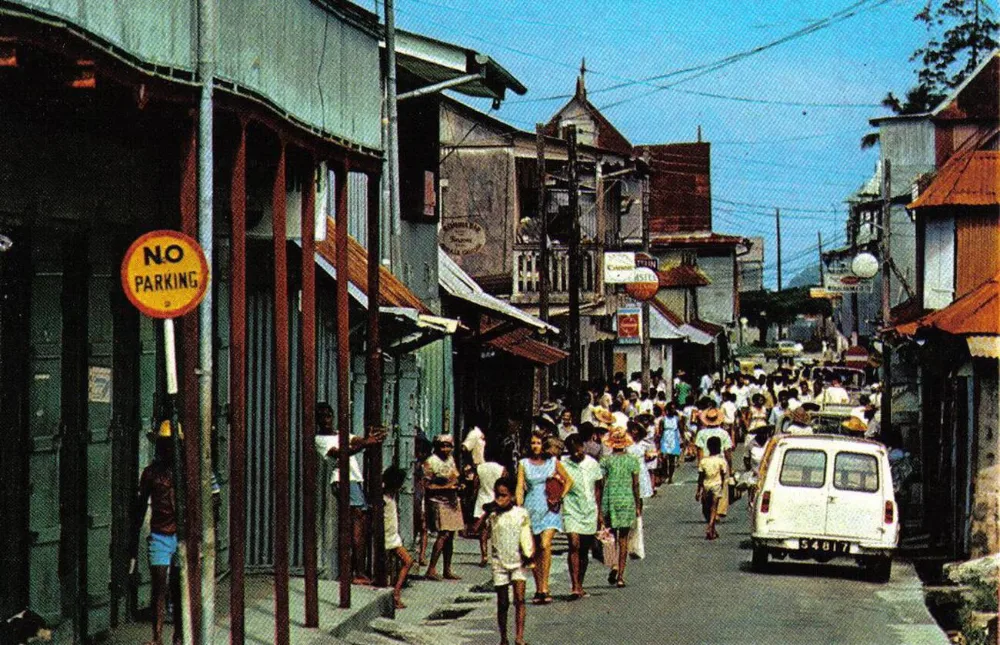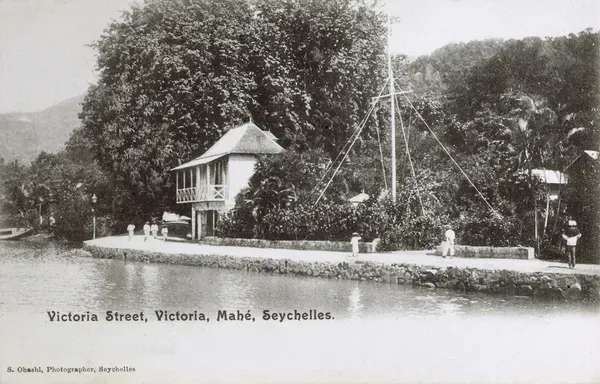
The Seychelles often feels timeless at first glance. Granite peaks rise from the sea, forests fold into hidden valleys and small communities settle along the coast. Yet the islands hold a layered history shaped by migration, trade, empire and the constant pull of the ocean. Tracing this story helps travellers understand the culture they encounter today. The islands did not grow through a single defining event. They grew through many small shifts that left marks on language, food, music, architecture and the shared outlook of the people who call the Seychelles home.
Long Before Written Records
The Seychelles stood uninhabited for centuries. Early Arab traders mapped routes across the Indian Ocean and later Portuguese navigators passed close to the islands, but none left permanent settlements. The environment remained untouched. Forests spread across the slopes and beaches held only the tracks of nesting turtles. The lack of early human presence is unusual in this part of the world and gives the islands a sense of youthful history on the surface, even though the land itself is ancient.
The First Recorded Landings
In the mid seventeenth century, British and French ships began noting the islands on charts as convenient freshwater stops. The first recorded landing took place in 1609 when an English East India Company vessel anchored at Mahé. The crew described giant tortoises, rich forests and abundant fish. After this, the islands saw sporadic visits from sailors, traders and pirates. The location made them useful for replenishing supplies but difficult to settle because the seas around the islands were largely uncharted and the journey from mainland Africa was long.
French Settlement and Early Creole Culture
Permanent settlement began in 1770 when the French established a small group of colonists and enslaved Africans on Mahé. These early communities shaped the foundations of Creole culture. They built simple homes near fresh water, planted food crops and adapted to the rhythm of the land. Enslaved people worked in agriculture and lived in tight-knit groups where shared language and cultural memory influenced the development of Seychellois Creole.
In 1794, during the struggles between France and Britain, French administrators surrendered the islands to the British. Yet French influence remained embedded in daily life. The language stayed dominant in homes and many French place names still appear on maps. The culture that emerged in this period was neither wholly French nor African. It grew into an island identity defined by resilience and community ties.
British Rule and Social Change
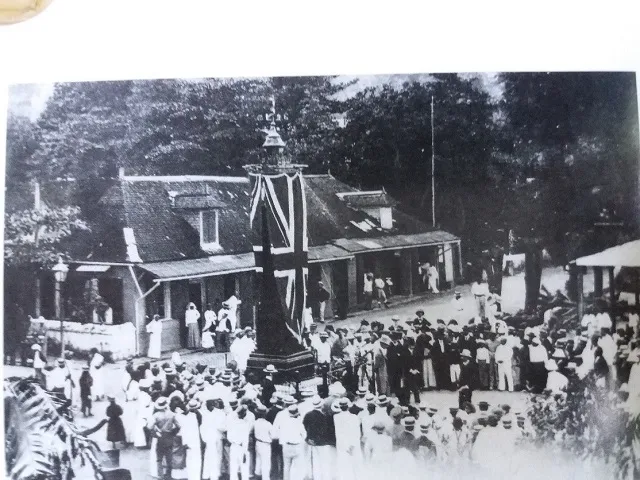
British rule lasted from 1814 until independence in 1976. During this long period, the islands underwent significant social and economic changes. One of the most defining moments came in the 1830s when Britain abolished slavery across its empire. Plantation owners had to adapt to a workforce that was no longer enslaved. Freed families established their own communities across Mahé, Praslin and La Digue. The population grew slowly as people created networks of farming, fishing and small trade.
The British introduced administrative structures, English education and new legal systems. They also encouraged the growth of the copra and cinnamon industries. These crops shaped the economy for decades and influenced the landscape. Ruins of old cinnamon distilleries can still be found along forest trails, reminders of a period when the islands exported fragrant spices to far-off markets.
Mission schools and churches became important community centres. Catholicism grew strong during this time. Even today, many villages have a small church at their heart. The social patterns laid down under British rule still influence how communities organise celebrations, education and local events.
The Impact of Indian Ocean Trade
Throughout the nineteenth and early twentieth centuries, Indian and Chinese traders arrived gradually, bringing new customs, business practices and food traditions. They opened shops that supplied goods to coastal communities. Their influence added depth to the cuisine, from spices to stir-fried dishes that now feel entirely local.
This mix of African, French, Indian, Chinese and European influences created a culture defined by openness rather than strict boundaries. Food, music and language evolved through everyday interaction rather than deliberate design. Travellers often notice how naturally these influences blend. The result is a culture that feels lived-in and unforced.
The Road to Independence
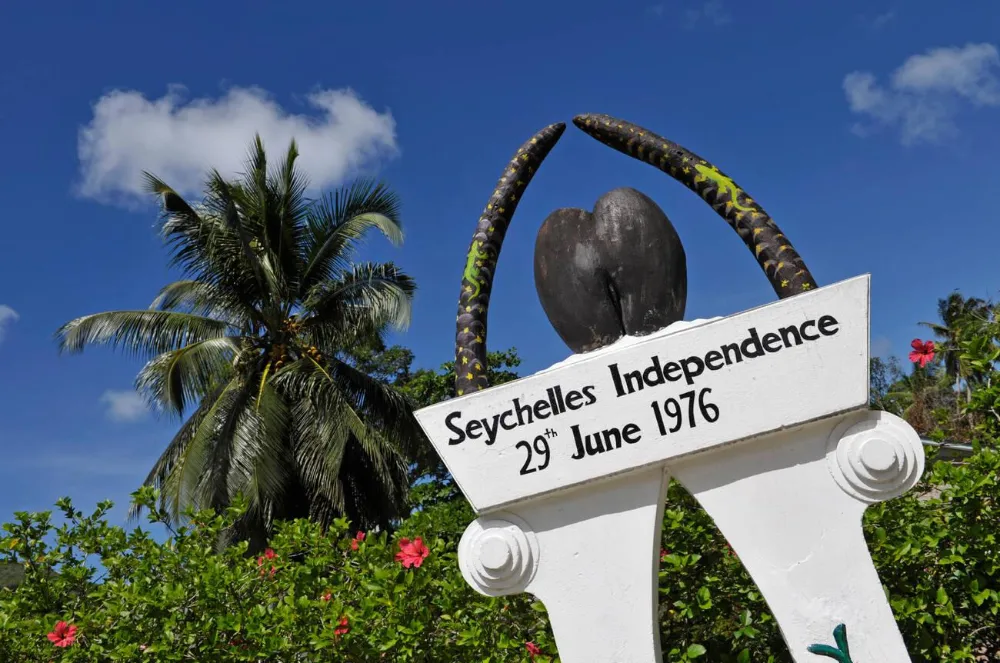
The twentieth century brought significant change. Global shifts after the Second World War pushed many colonies toward self-governance. Political movements formed in the Seychelles, often centred on workers’ rights, education and the desire for local decision making. In 1976, after decades of political discussion and administrative reform, the Seychelles became an independent republic within the Commonwealth.
Independence brought pride but also challenges. Leaders worked to modernise infrastructure, strengthen education and shape a unified national identity. Tourism slowly emerged as a major economic force. The islands began welcoming travellers who fell in love with the beaches and natural landscapes. At the same time, the government focused on conservation. New parks and marine protected areas were established, ensuring that the environment would remain central to the country’s future.
Post Independence Developments
In the decades following independence, the Seychelles experienced political shifts, economic reforms and growing international engagement. The country invested in healthcare, roads and environmental protection. Tourism expanded steadily, supported by growing air links and global interest in sustainable travel.
The cultural landscape evolved as well. Local music styles gained recognition. Creole cuisine became a celebrated expression of national identity. Schools taught both English and French alongside Seychellois Creole, reinforcing the island’s multilingual character. Modern artists, musicians and writers continued to shape cultural expression while staying connected to deep roots.
Heritage in Everyday Life
The layers of history live in simple daily scenes across the islands. Small granite chapels along the coast reflect missionary work during British rule. Vibrant market stalls echo trade patterns that stretch back centuries. Family run cinnamon or vanilla plots connect directly to the agricultural history that sustained earlier generations.
Traditional moutya and sega dances carry memories of distant homelands, shaped by the experiences of enslaved people and adapted over time. Celebrations like the annual Creole Festival highlight the pride the Seychellois people take in their heritage. Travellers often find that these cultural threads make their experience feel grounded and meaningful.
Where to Explore History Today
Several places help visitors understand the islands’ past more clearly. The National Museum of History in Victoria offers an accessible entry point with exhibits on early settlement, daily life and cultural development. The Seychelles Natural History Museum adds context about the environment that shaped human activity.
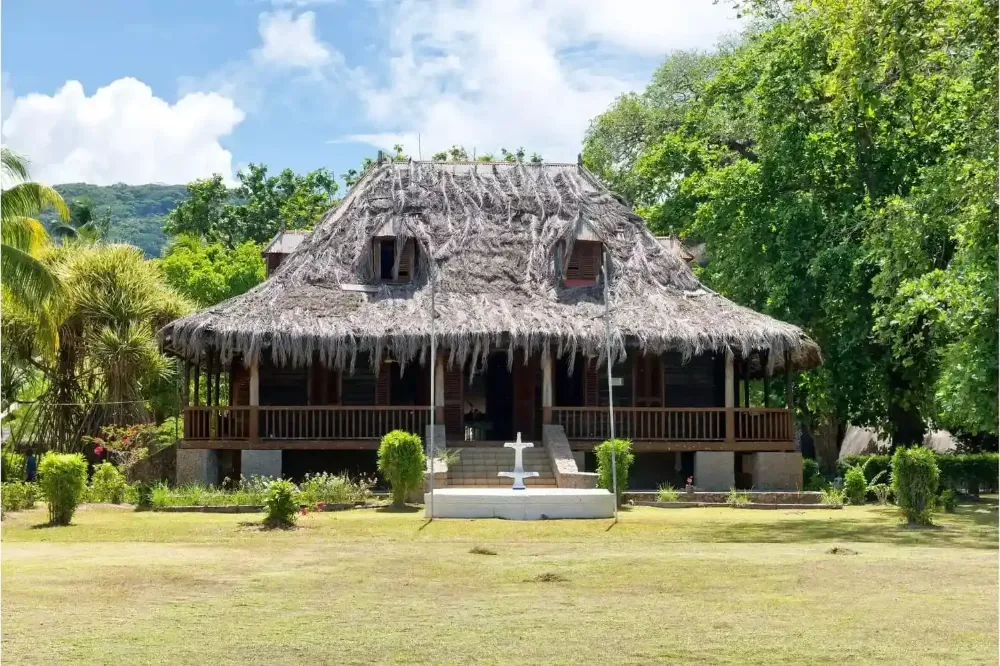
On Mahé, the Mission Lodge viewpoint offers a look into the site of a former school for liberated children in the nineteenth century. Its stone ruins stand in a quiet forest clearing with sweeping views across the west coast. On La Digue, the L’Union Estate shows how coconut plantations once operated. Visitors can see colonial era buildings, traditional copra kilns and old farming equipment.
Praslin adds another dimension through its natural heritage. The Vallée de Mai, a UNESCO World Heritage Site, represents a landscape that existed long before humans arrived. Walking its paths offers a deeper appreciation of the islands’ natural timeline.
A History That Lives Quietly in the Present
The history of the Seychelles does not sit behind glass. It lives in the landscape, the food, the music and the easy way people mix languages in conversation. Understanding the layers of settlement, trade, culture and adaptation helps travellers see the islands with greater clarity. The Seychelles grew through connection, challenge and creativity. Each period added something to the identity the islands carry today. Exploring these stories adds richness to any journey and gives visitors a sense of how the past still shapes the islands’ rhythm in the present.