Culture & Heritage
There are no results matching your search
There are no results matching your search
Music in the Seychelles carries the pulse of the islands. Rhythms rise from wooden drums, strings hum with warm tones and dancers move with confidence shaped by generations of shared heritage. Seychellois music and dance reflect African, Malagasy, Indian and European influences, blended into forms that feel distinctly Creole. This guide explores traditional styles, modern interpretations and the everyday scenes where music and dance continue to shape island culture.
Where Seychellois Rhythms Began
Seychellois music grew from the experiences of early communities who brought their traditions across oceans. Rhythms from East Africa mixed with melodies from Europe and the Indian Ocean trade routes. Over time, new forms emerged that expressed the islands’ lived history. People celebrated milestones through music, shared stories in songs and danced as a way to strengthen bonds within villages.
These traditions remain active today, not as displays for visitors but as part of community identity.
Moutya: Rhythm, Emotion and Deep Cultural Roots
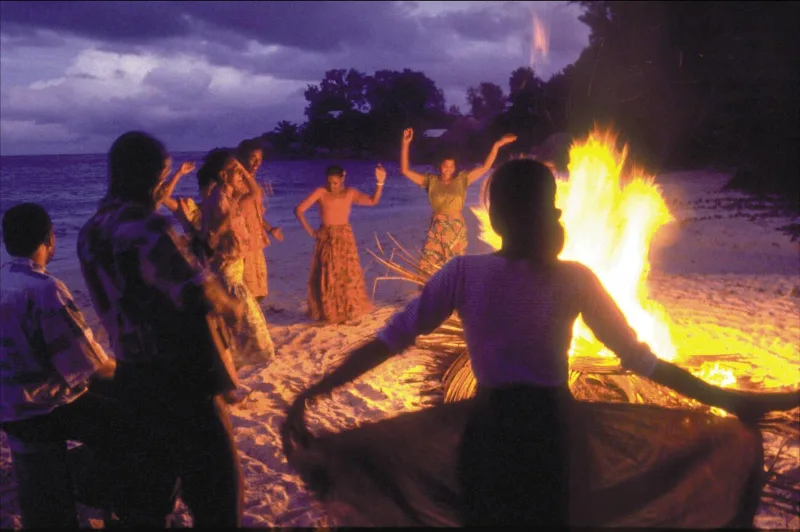
Moutya is one of the Seychelles’ oldest and most meaningful cultural expressions. It was recognised by UNESCO for its significance, and its power comes from a mix of drumming, call and response singing and dance. Traditionally performed around a fire late at night, moutya carries stories of struggle, resilience and community. The drumbeat begins slowly, growing in intensity as dancers step into the circle.
The dance movements express emotion through grounded, rhythmic gestures. Singers respond to each other with lines that speak of love, hardship or humour. Even today, moutya brings people together during festivals, cultural nights and community gatherings. Watching a live performance feels like witnessing the islands’ past and present at the same moment.
Sega: A Celebration of Movement and Joy
Sega shares roots with traditions found across the western Indian Ocean. The Seychelles style uses fast footwork, circular hip movements and lively drum rhythms. The music often features percussion, guitar, accordion and sometimes modern additions like bass or keyboard. Sega performances fit naturally into local festivals, beach gatherings and family events.
The dance feels joyful and expressive. Dancers move in flowing patterns, often improvising steps that suit the rhythm. Many modern Creole bands combine sega with contemporary styles, creating fusion performances that appeal to younger audiences while keeping tradition alive.
Contemporary Creole Sounds
Modern Seychellois music blends traditional rhythms with global influences. Artists combine moutya and sega foundations with reggae, jazz, pop, Afrobeat and electronic elements. These songs play in local cafés, small bars and on island radio stations.
Some musicians write lyrics that reflect social themes, island life, environmental issues or personal stories. Others focus on creating a warm, upbeat sound that suits evenings near the beach. Contemporary music adds a lively presence to nightlife while remaining tied to cultural identity.
Instruments That Shape Seychellois Sound
Traditional instruments play a strong role in keeping cultural music alive.
Drums carved from local wood and stretched with animal skin provide the heartbeat of moutya.
Guitars and banjos add melodic lines in sega and fusion styles.
Shakers, triangles and simple handmade percussion support the rhythm.
Accordions contribute a soft, rising tone in certain sega variations.
These instruments appear in cultural festivals, community halls and music workshops held across the islands.
Dance Beyond the Stage
Dance in the Seychelles is not limited to performance spaces. It unfolds in everyday moments. At family gatherings, someone might pick up a drum and start a rhythm that encourages people to join in. Weddings bring long evenings of sega dancing. Creole Festival fills streets with movement, colour and sound.
Children learn steps by watching older relatives. Youth groups practise modern choreography influenced by hip hop and Afro fusion, blending international trends with local style. These layers of dance show how Seychellois culture evolves while staying anchored to its roots.
Music in Community Life
Music remains central to community events. Schools teach students about traditional forms. Cultural associations run workshops on drumming, dance and Creole lyric writing. Local musicians collaborate with visiting artists, opening creative exchanges that strengthen the cultural scene.
Church choirs also play a significant role. Their harmonies add another dimension to everyday life, especially during religious holidays or family ceremonies.
Where Travellers Can Experience Music and Dance
Visitors can enjoy performances in both formal and informal settings.
Creole Festival in October features large concerts and street performances.
Community centres host cultural nights with live drumming and dance.
Local bands play at small restaurants and beach bars on weekends.
Craft and culture markets often include short live shows.
Some hotels invite artists for acoustic evenings that highlight Creole music.
The most memorable experiences often come from stumbling upon a performance unexpectedly, such as a group practising drums in a village or a pop-up dance gathering near the beach.
Keeping Traditions Alive
Cultural groups across the islands work to preserve moutya, sega and other forms of traditional music. They teach younger generations, record songs, restore old instruments and create events that keep traditions visible. Their work ensures that Seychellois artistic identity remains strong.
Younger musicians bring new ideas, blending historic rhythms with modern creativity. This balance between past and present gives the music scene a sense of movement and continuity.
A Living Expression of the Islands
Music and dance reveal the Seychelles’ character as powerfully as its landscapes. The sound of drums echoing across an open square, the sweep of dancers moving together and the blend of voices during a late evening gathering all reflect the islands’ cultural soul. Tradition and innovation share the same space, creating a scene that feels alive, expressive and deeply rooted in community.
There are no results matching your search
There are no results matching your search
There are no results matching your search
© 2025 HeySey.com All Rights Reserved.