Food & Drink
There are no results matching your search
There are no results matching your search
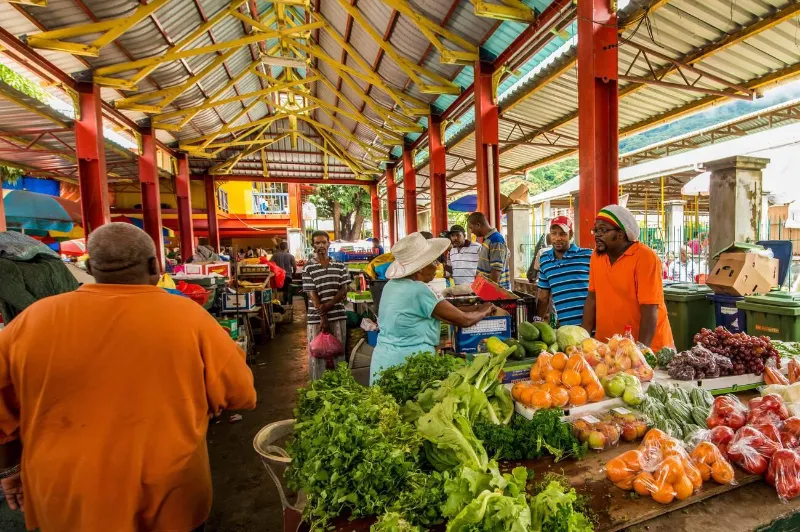
The Creole market sits at the heart of daily life in the Seychelles. Long before visitors wander in with cameras and curiosity, local families are already choosing their fruit for the week, checking the condition of the morning’s catch and stopping to chat with familiar vendors. A market here is more than a place to shop. It is a meeting point that ties people to the rhythm of the islands. This guide walks through the colours, scents and sounds that shape a classic Seychellois market, drawing attention to the ingredients, traditions and easy going social atmosphere that define these spaces.
The Pulse of Morning Trade
Most markets feel liveliest in the morning. The air carries a mix of salt, frying onion and crushed herbs. Stalls come alive with conversations in Creole. People greet each other with the simple warmth that shines through everyday island life. Vendors stack fruit into neat pyramids, and the fish tables glisten with silver and blue from the morning boats. The sound of someone chopping green papaya blends with the steady shuffle of shoppers.
The markets are practical spaces, yet they still carry a sense of occasion. Regulars appreciate the steady routine. Travellers often pause at the entrance, taking in the sweep of colours and the gentle bustle that sets the tone of a Seychellois morning.
The Spice Stalls
Spice vendors often sit near the centre of the market. Their tables glow with reds, yellows and deep earthy browns. Many blends are homemade. You find jars filled with turmeric, coriander seed, curry powder, cinnamon bark, whole cloves and dried chilli. Creole cooking relies on layering these flavours rather than loading any one spice too heavily. The result is warm and aromatic.
Some vendors sell small packets sized perfectly for travellers. Others offer larger scoops used in local kitchens. You might notice cinnamon sticks bundled with twine. Seychelles cinnamon is known for its smooth fragrance. Many families grate it directly into chutneys or simmer it with ginger for a soothing tea.
The spice vendors often enjoy sharing quick tips. They explain which mix suits fish curry or how to brighten a stew with fresh herbs. These small conversations help people understand how closely cooking and culture are linked here.
Fruit and Seasonal Produce
The fruit sections bring a soft sweetness to the air. Tables shine with piles of mangoes, golden bananas, passionfruit, pawpaw and starfruit. Depending on the season, you may find breadfruit, custard apples or the deep purple shells of jamalac. Coconut sellers crack fresh nuts with easy skill, pouring the cool water into a cup with a practiced motion.
Mango season creates a little excitement. Locals often return weekly to check the ripeness and choose the varieties they grew up eating. Passionfruit appears in steady supply throughout the year and finds its way into juices and desserts.
Vegetables rest beside the fruit in simple rows. Shoppers pick through green beans, eggplants, tomatoes, cucumbers and the fresh herbs that give Creole food its brightness. The smell of coriander and basil drifts through the aisles every time someone brushes past a basket.
Markets also reflect small changes in local agriculture. You sometimes see more local lettuce and tomatoes during cooler months. Green papaya is widely available and used in salads or light stews. The variety encourages creativity in home cooking.
The Fish Tables
The fish area forms the backbone of many Seychellois markets. Before sunrise, fishermen bring in their catch, and vendors set up the tables with speed and precision. The display might include red snapper, jobfish, trevally, rabbitfish, tuna, bonito and sometimes octopus. Each fish has its preferred cooking style. Trevally grills beautifully over charcoal. Snapper suits curries or simple pan frying. Rabbitfish appears often in home kitchens.
The atmosphere near the fish tables feels energetic. Vendors call out prices, slice fillets with bold strokes and help shoppers choose the freshest catch. Locals judge quality by the clarity of the eyes, the brightness of the scales and the clean scent of the flesh. Everything happens quickly and with good humour.
You may also see small crabs, parrotfish or barracuda depending on local conditions. Markets shift their offerings based on what the ocean gives on any particular morning. This connection to the sea remains one of the clearest expressions of Seychellois culture.
Stalls with Chutneys and Home Snacks
Many markets include small tables stacked with homemade jars and quick snacks. These stalls feel personal. They offer foods prepared in home kitchens or small family businesses. The jars hold green papaya chutney, tamarind preserves, pickled bilimbi and spicy chilli pastes. Each recipe carries a family signature that has been passed down for decades.
Snacks appear in simple baskets. Banana chips, coconut tarts and small cakes known as ladob fri are common. Some vendors sell freshly fried breadfruit chips or pastries scented with vanilla. These are perfect for travellers exploring the market without a shopping list.
Short chats often turn into cultural lessons. Vendors explain how to pair certain chutneys with grilled fish or use pickled fruits with rice dishes. You sense the pride behind these homemade flavours. They reflect a style of cooking built on local produce and patience.
Handicrafts and Everyday Essentials
Not every stall sells food. Markets usually include areas for small crafts and simple household goods. You might find woven baskets, coconut shell bowls, wooden spoons and handmade jewellery. These items often reflect local materials. Coconut husk, driftwood and shells find new life in skilled hands.
Shoppers also pick up essentials like soap, spices in bulk or cooking pots. These aisles remind visitors that the market is part of daily routine for many families. It is a place where errands and social interactions overlap naturally.
Atmosphere and Social Rhythm
A Creole market is not loud or chaotic. The energy stays steady and welcoming. Children often linger beside parents. Vendors chat with familiar customers about the weather or the latest catch from their cousins in the fishing boats. People take their time. The conversations keep the market grounded in community life.
The rhythm shifts as the day goes on. By late morning, the busiest period ends. Vendors start to pack away fish as the sun climbs. Fruit sellers reshape their displays. Some stalls shift to lunch snacks or fresh juices for visitors. The market quietens without losing its warmth.
How to Shop Like a Local
Travellers who want to embrace the full experience can follow a few simple habits.
Arrive early. The morning provides the freshest fish and the best choice of fruit. Vendors also have more time to talk.
Bring small notes. Many stalls appreciate simple cash payments. It keeps transactions quick and easy.
Ask politely before taking photos. Vendors usually welcome it, but a quick question shows respect.
Taste as you go. Some fruit sellers offer small samples, especially of mango or starfruit. It helps you choose what suits your palate.
Talk to the spice vendors. They enjoy sharing cooking ideas and can guide you toward blends that match your style of food.
Avoid rushing. Markets reward slow exploration. The best moments often come from small conversations rather than the shopping itself.
Try something unfamiliar. Pick up a jar of homemade chutney or taste a new fruit in season. These discoveries shape the memory of a Seychellois trip.
Market Culture Across the Islands
Markets differ from island to island, yet each one carries its own charm. Mahé’s markets feel vibrant and full of movement. Praslin’s markets stay calmer and more compact. La Digue’s markets often reflect the island’s slow rhythm and close community ties. Across all three, the sense of connection remains constant.
Visitors who return to the islands often talk about the markets with affection. They remember the scent of cinnamon, the bright colours of the fish tables or the first taste of a fresh coconut cracked on the spot. These details linger long after the trip ends.
A Market as a Window into Island Life
Walking through a Creole market reveals how closely the Seychelles ties its food to land and sea. The ingredients reflect local seasons. The vendors share family knowledge freely. The shoppers move with friendly ease. Everything feels grounded, honest and shaped by generations of tradition.
A visit here offers more than a chance to buy produce. It is a step inside the everyday rhythm of island life. For many travellers, it becomes one of the most memorable parts of exploring the Seychelles.
There are no results matching your search
There are no results matching your search
There are no results matching your search
We use them to give you the best experience. If you continue using our website, we’ll assume that you are happy to receive all cookies on this website.