Seychelles Travel Guides
There are no results matching your search
There are no results matching your search
The west coast of Mahé feels like an entirely different island. While the east carries more villages and day to day movement, the west opens into long beaches, hidden coves, steep forested hills and stretches of coastline shaped by wind and open ocean. Travellers come here for quiet scenery, wildlife encounters and a sense of space that settles the mind. This guide blends storytelling with practical advice, helping you explore the wild and dramatic side of Mahé without getting lost in its remoteness.
A Coastline Formed by Weather and Time
The west coast sits fully exposed to the Indian Ocean. Waves arrive with energy shaped by long distances, carving bays and stacking granite boulders into striking formations. Forests slope down from the high interior of the island, creating pockets of shade, birdlife and cool air along the shoreline. The area feels raw, yet gentle enough for visitors who want calm exploration rather than extreme adventure.
This side of Mahé rewards early starts. Morning light rolls across the water in soft layers. Fishermen set off from small launches. White terns and tropicbirds cruise above the coastline. The beaches already feel spacious and untouched.
Grand Anse: The Wild Gateway
Grand Anse is one of Mahé’s most dramatic beaches. A broad sweep of pale sand stretches between two rocky points, backed by thick vegetation and tall palms. The surf can be powerful, especially in windy months, but the atmosphere stays peaceful. Many travellers walk the length of the beach before settling into the shade of takamaka trees.
This area works well for people who enjoy long beach walks, photography and quiet picnics. The waves often create rhythmic, rolling patterns that feel hypnotic. The sand is clean and soft, and the inland hills act as a natural sound barrier, keeping the experience calm.
Nearby takeaways and cafés in Grand Anse village offer simple meals that you can carry to the beach. Afternoon visits bring deeper colours and cooling breezes.
Port Glaud and Thérèse Island Viewpoints
Moving north, the coastline becomes more rugged. Port Glaud offers a blend of mangroves, clear shallows and viewpoints that look out toward Thérèse Island. The road curves along cliffs with lookouts that appear suddenly, revealing wide blue water and the soft shape of offshore islets.
Port Glaud’s shores host a calm inner lagoon created by coral outcrops. Travellers often stop here for gentle wading and wildlife watching. Small fish gather in the shallow water. Herons stand quietly near the mangroves, and crabs dart across the sand. The quietness of the area encourages slow observation.
Across the channel, Thérèse Island sits like a green gem surrounded by bright water. Boat trips sometimes visit the island for snorkelling or short walks, but even viewing it from the mainland feels special. The colours shift through the day as clouds move across the hills.
Sauzier Waterfall: A Short Escape into Shade
Just inland from Port Glaud, Sauzier Waterfall provides a refreshing change from the heat. A short walk from the entrance takes you through light forest and pools of cool running water. The waterfall itself flows into a calm basin where visitors can dip their feet or enjoy the tranquillity of the surrounding greenery.
Birds flit between branches, and the sound of water fills the space. Early morning visits offer privacy. Later in the day, families and travellers gather for photos and short breaks before returning to the coast.
Anse L’Islette and the Calm of the Nearshore Islets
As you continue north, small coves and islets form a series of quiet corners. Anse L’Islette sits opposite a tiny island that feels close enough to touch. The water here often stays gentle, with sandy patches that suit relaxed floating. Kayakers move between the islets on calm days, taking advantage of sheltered conditions.
These areas give a different kind of wildness. The scenery feels open yet protected, dramatic yet peaceful. Travellers stop at roadside pull offs to admire the blue water and the light catching the tops of granite boulders.
Baie Ternay Marine National Park
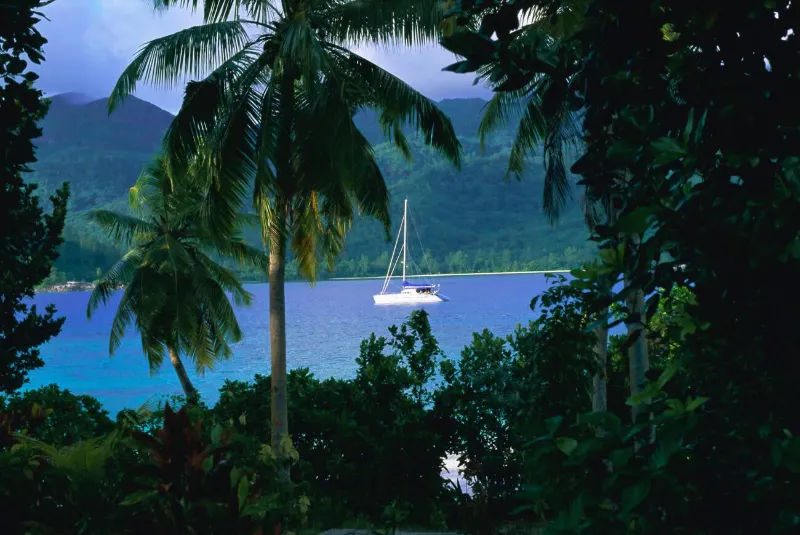
Near the tip of the west coast lies Baie Ternay, a protected area known for clear water, wildlife and a natural amphitheatre of hills. The road leading here curves through forest and opens into one of the most serene bays on Mahé. The beach is quiet and well loved by swimmers, snorkellers and anyone seeking uncrowded nature.
The bay often hosts hawksbill turtles, rays and schools of reef fish. The headlands shelter the water from strong waves, creating conditions that feel gentle even when other beaches are rough. The surrounding hills hold birdlife, while the shallows shimmer with bright turquoise.
This area suits visitors who enjoy nature without heavy planning. Bring snacks, water and a sense of patience. The bay encourages long, slow hours.
Cap Matoopa and the High Ridges
Above the coast, hiking routes lead into lush slopes and viewpoints. One of the most rewarding climbs is toward Cap Matoopa. The path passes through forest marked by cinnamon, ferns and thick undergrowth. As you ascend, glimpses of the west coast appear between the trees, each view showing a wider sweep of ocean.
At the top, the panorama stretches from Baie Ternay to the reefs around Port Glaud. The openness of the ridge highlights the dramatic contrast between sea and hills. Birds ride the wind, and the air feels cooler than on the coast.
The trail suits travellers with moderate fitness. Proper shoes and water are important, especially on warm days.
Anse Major: A Classic Coastal Trail
One of the most iconic experiences on the west coast is the trail to Anse Major. The path begins near Bel Ombre and winds along rocky slopes, offering constant views of blue water and forested cliffs. Fragrant shrubs, granite boulders and patches of shade shape the journey.
The beach itself is a quiet crescent of sand bordered by high hills. Granite formations rise from the water, and the lagoon stays clear and inviting on calm days. Many visitors say the hike feels like one continuous viewpoint, with the destination acting as a bonus rather than the goal.
Return trips can be made by boat on some days, adding a relaxed ending to the adventure.
Wildlife Encounters Along the West Coast
The west coast offers frequent chances to see wildlife in a natural setting.
White terns glide above the beaches.
Fruit bats circle the treetops late in the afternoon.
Geckos hide on warm rocks.
Tropicbirds arc across high cliffs.
Turtles appear in the calmest bays.
These encounters happen during ordinary walks. They add richness to the experience without needing guided tours.
How to Explore the West Coast Safely
A few simple guidelines help travellers enjoy the region fully.
Check sea conditions before swimming. Some beaches have strong waves.
Visit early to avoid the hottest hours and enjoy quieter scenery.
Wear sturdy footwear when exploring rocky paths.
Carry water and snacks. Shops are spaced far apart on this side of the island.
Respect private property when passing through residential areas.
Watch weather changes. Clouds can gather quickly around the hills.
The west coast rewards prepared travellers with some of the most striking landscapes in the Seychelles.
A Coast Shaped for Wandering
Exploring the west coast of Mahé feels like following the island’s wilder heartbeat. Beaches stretch wide and quiet. Hills rise sharply above the shoreline. Forests hide waterfalls, lookouts and short trails that lead to unexpected views. This side of the island asks you to slow down, observe and let the scenery carry your attention.
Travellers who spend time here often describe it as the most memorable part of Mahé. Its raw beauty leaves a lasting impression, filled with sunlight, wind movement and the deep blue sweep of the open ocean.
There are no results matching your search
There are no results matching your search
There are no results matching your search
© 2025 HeySey.com All Rights Reserved.