Seychelles Travel Guides
There are no results matching your search
There are no results matching your search
La Digue welcomes visitors with a gentler rhythm than the larger islands. The island is small, quiet and easy to explore, which makes it perfect for travellers who enjoy simple movement, local encounters and days shaped by the weather rather than strict plans. Most people arrive and immediately notice the calm. Bicycles roll past fruit stalls, waves break softly against granite boulders and narrow lanes lead to beaches where the scenery changes with each shift of the tide. This guide helps independent travellers make the most of their time on La Digue with grounded detail, clear advice and a sense of the island’s natural character.
Arriving on La Digue
Most travellers reach La Digue by ferry from Praslin. The journey is short, usually around fifteen minutes. As the boat approaches the jetty, you can see the outline of the hills rising behind the village of La Passe. The jetty area is always active. Workers offload supplies, schoolchildren gather near the waterfront and visitors search for bicycle rental shops only a few steps from the pier.
Once you collect your bags, you can walk directly to your accommodation if you are staying in La Passe or Anse Réunion. Guesthouses are common in these areas and the streets are safe to walk at any time. Travellers staying further south often arrange a short transfer in advance, although bicycles remain the preferred way to move around.
Why La Digue Feels So Different
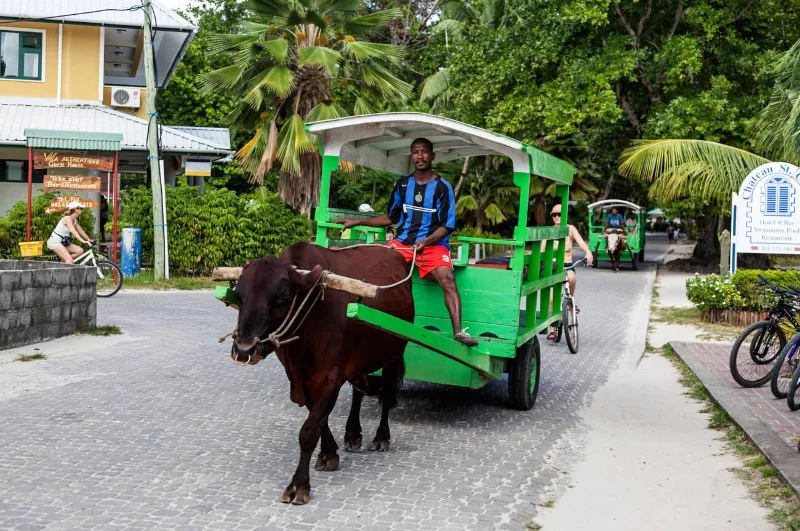
La Digue is smaller than Mahé and Praslin and has fewer vehicles. Most people move by bicycle or on foot. This changes the mood of the island. The air feels quieter and the lack of traffic helps visitors relax quickly. Days unfold with a steady simplicity. People greet each other as they pass. Children pedal home from school with baskets of snacks. Fishermen push their boats into the water in the early morning.
The scale of the island means you never feel far from the next beach or viewpoint. Even short rides reveal new scenes. One moment you pass through coconut groves and the next you roll along the edge of the coast with bright water only a few steps away.
Choosing Where to Stay
La Passe and Anse Réunion form the main settlement areas. La Passe sits close to the jetty and works well for travellers who want easy access to shops, bike rentals, cafés and the waterfront. Anse Réunion is quieter and often suits families or long stay guests. Both areas place visitors within a comfortable cycling distance of most beaches.
Guesthouses make up a large portion of accommodation. These small properties often include breakfast made with fresh fruit, bread and locally made jam. They also offer a more intimate experience where hosts share local insights. Independent travellers often prefer this style because it feels connected to the community.
Cycling Across the Island
Renting a bicycle is one of the simplest and most enjoyable parts of a trip to La Digue. Rentals line the street near the jetty. Prices vary slightly but remain affordable. Most bikes include a basket for beach gear and a simple lock for short stops.
The main road runs south from the jetty through Anse Réunion and along the coast toward L’Union Estate. From there, paths branch toward Anse Source d’Argent or continue inland toward the eastern side of the island. The roads are mostly flat, although the route to Grand Anse includes a few steep sections where travellers often walk their bikes for a short time.
Cycling safety is straightforward. Keep to the left, ride slowly through villages and take care during rainy periods because the surface becomes slippery. Travellers usually adapt quickly to the pace of local movement.
L’Union Estate and Anse Source d’Argent
L’Union Estate is a historic area with coconut groves, old plantation buildings and grazing tortoises. The estate gives visitors a sense of how life once looked on the island during the days of copra production. Small paths lead across the grounds and the atmosphere remains calm even during busy periods.
The path through the estate leads to Anse Source d’Argent, one of the most photographed beaches in the Seychelles. The shoreline here is shaped by enormous granite formations, clear water and patches of reef that create shallow pools. Many travellers arrive early to enjoy softer light and fewer people. The beach changes character throughout the day as tides shift and shadows fall across the rocks.
Snorkelling works best when the tide is high enough to move comfortably across the reef. During low tide, the pools become quiet places for wading and observing small fish. Photographers tend to favour the late afternoon when the warm glow softens the colour of the rocks.
Grand Anse, Petite Anse and Anse Cocos
The eastern side of La Digue offers a sequence of beaches that feel more remote. Start at Grand Anse. The cove is wide with strong waves and pale sand. It is beautiful but often unsuitable for swimming during rough conditions. Even so, the scenery alone makes it a favourite stop for many visitors.
From Grand Anse, a trail leads to Petite Anse. The walk is short, with small climbs and shaded sections. Petite Anse feels wilder and more intimate. Waves break close to the shore and the beach remains quiet because it is only accessible by foot.
Continue along the same trail to reach Anse Cocos, one of the most memorable spots on La Digue. The beach curves gently and features a natural pool area at the northern end where the water often stays calm. Many travellers spend long mornings here because the mix of scenery and quiet atmosphere feels far from the busier parts of the island. Bring water and snacks since there are no shops nearby.
Belle Vue and the Nid d’Aigle Viewpoint
For travellers who enjoy hill walks, the route to Belle Vue and the Nid d’Aigle viewpoint adds balance to beach days. The walk begins near La Passe and climbs steadily. Some guests choose to cycle part of the way before leaving the bike at a junction and continuing on foot.
The path is shaded in parts and reveals glimpses of the coastline through leaves and branches. At the top, the viewpoint opens to a wide scene across La Digue, Praslin and nearby islets. The café near the summit offers refreshments that taste particularly good after the climb. The area is a peaceful place to rest and take in the scale of the surrounding ocean.
Exploring Local Food and Small Shops
Independent travellers often find their favourite meals in small roadside restaurants or simple takeaways. Portions are generous and prices stay reasonable. Expect grilled fish, curries, lentils, salads and fruit juices made with fresh tropical ingredients.
Shops in La Passe sell fruit, cold drinks, basic groceries and beach essentials. Fresh produce arrives in the morning, especially on days when supply boats come in. Buying fruit here supports local traders and gives travellers a sense of everyday life on the island.
In the evenings, a few restaurants offer live music or relaxed outdoor seating. The atmosphere is friendly and most places welcome walk-in guests.
Useful Practical Information
La Digue has a slower infrastructure than Mahé, which is part of its charm. Internet speeds vary through the day and can slow down during busy evening hours. Mobile data works well in central areas but becomes weaker in remote coves and forested hills.
Cash is useful for small shops, bicycle rentals and simple snack stalls. Larger restaurants accept cards but it is wise to carry some cash for flexibility.
Weather shifts throughout the year. The period from May to October often brings steady breezes that keep temperatures comfortable. The months between November and March tend to include more rainfall. Beaches on the east side sometimes experience stronger waves during specific seasons, so observing local advice helps ensure safe swimming.
How Long to Spend on La Digue
Two full days allow travellers to see the major beaches. Three or four days give space for cycling, slower mornings and repeated visits to favourite spots. Many guests extend their stay because the island’s calm makes it easy to unwind. Even small routines quickly become enjoyable, from early morning cycles to sunset walks along Anse Réunion.
How La Digue Leaves Its Mark Long After You Go
La Digue rewards travellers who enjoy simple pleasures. Cycling along quiet coastal roads, walking into secluded coves, resting under palm trees and watching the changing colour of the sea all become part of the experience. Independent travellers often leave with clear memories of small moments that grow into long lasting stories. The island invites you to slow your pace, follow your curiosity and appreciate a landscape shaped by time, community and nature.
There are no results matching your search
There are no results matching your search
There are no results matching your search
© 2025 HeySey.com All Rights Reserved.